White Oak Bayou
The bayou along the southern and eastern edges of the Heights. It is the flood reference for every job south of 11th Street.
The Heights — Super Neighborhood 15, founded in 1892 as one of Houston’s first planned suburbs — is where a single property routinely carries two different roofs: a pitched architectural-shingle main roof over an 1890s–1930s Craftsman bungalow, and a flat modified-bitumen membrane over a rear addition, enclosed porch or converted carport. The two systems age differently, fail differently, and in the historic districts one of them needs a Certificate of Appropriateness before it is touched. We work across ZIP codes 77008 and 77009, and we check the approval layer before we price the job.
From a flat-addition membrane to a full bungalow re-roof, these are the services we bring to the Heights — each scoped to the house’s era and its approval layer, not pulled from a generic list.
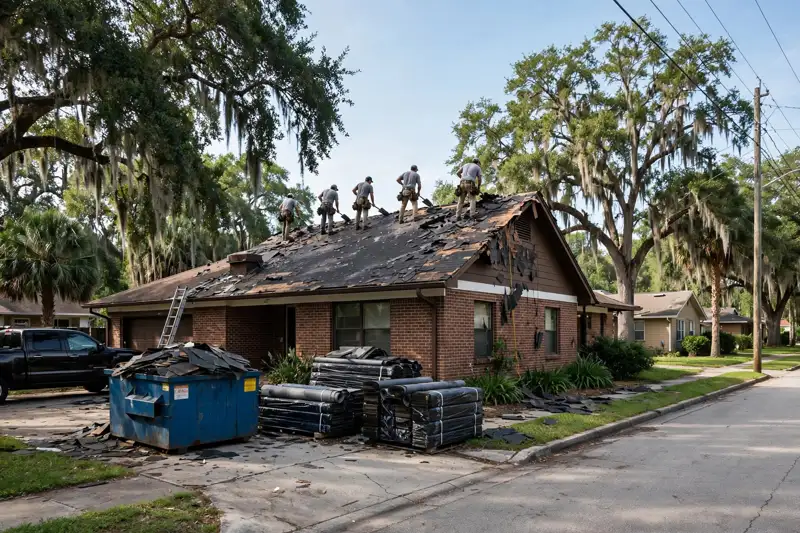 Roof ReplacementTear-off, deck repair and a new system, scoped to your roof and quoted in writing — for 90- to 130-year-old bungalows with a flat addition ponding water behind the main roof.View details →
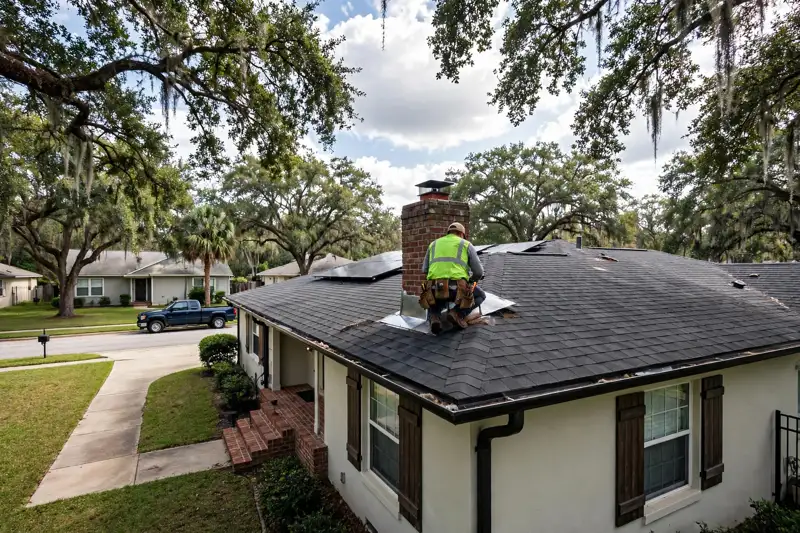 Roof RepairSmall failures fixed at the source — flashing, boots and lifted shingles — for 90- to 130-year-old bungalows with a flat addition ponding water behind the main roof.View details →
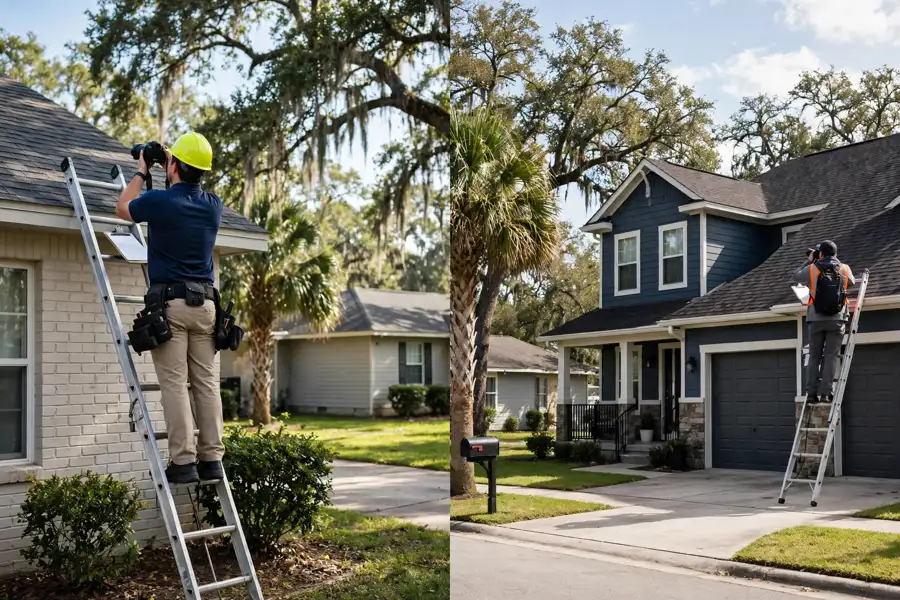 Roof InspectionA full on-roof and attic check that ends in a written report with photos — for 90- to 130-year-old bungalows with a flat addition ponding water behind the main roof.View details →
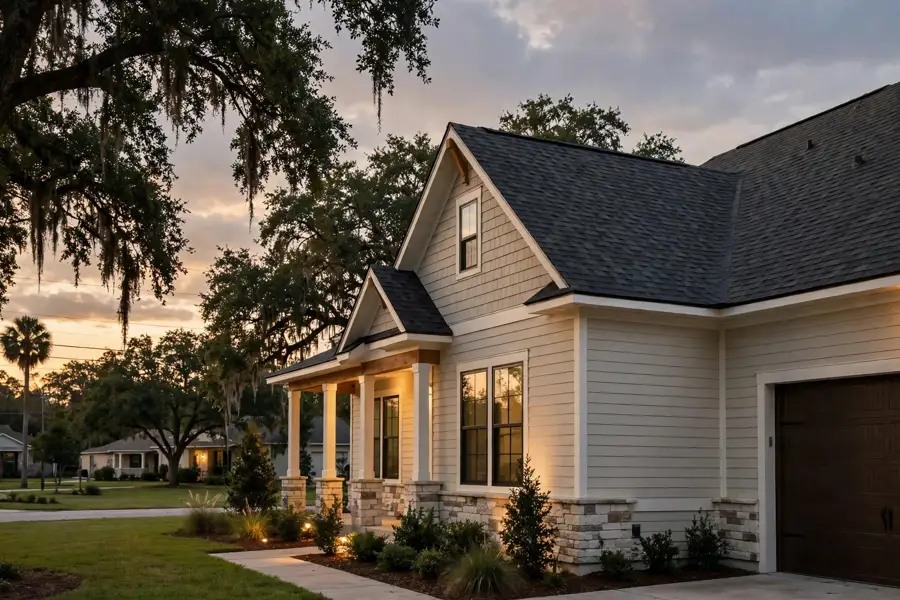 Residential RoofingPitched and flat sections for Houston houses, scoped as one job — for 90- to 130-year-old bungalows with a flat addition ponding water behind the main roof.View details →
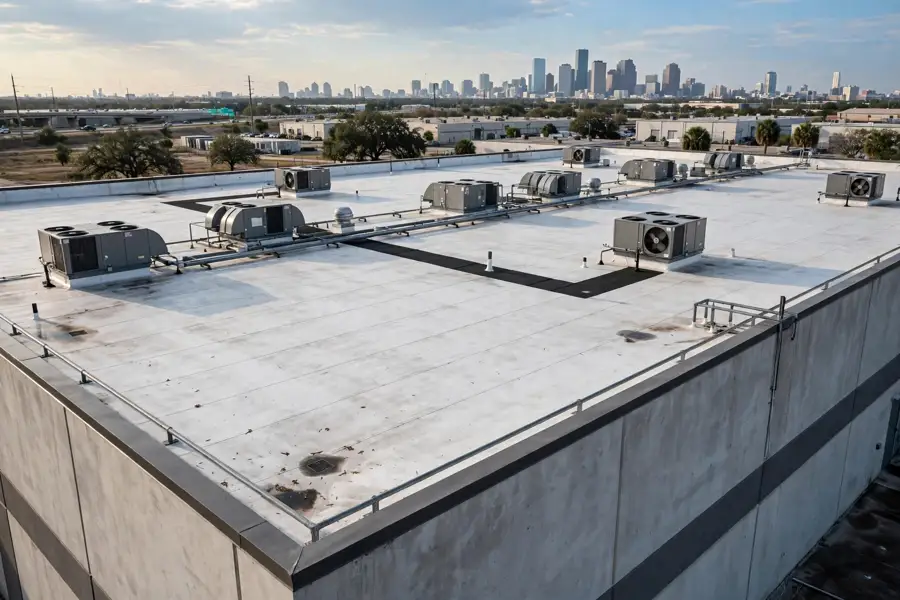 Commercial RoofingFlat and low-slope systems for Houston commercial buildings, phased to stay open — for 90- to 130-year-old bungalows with a flat addition ponding water behind the main roof.View details →
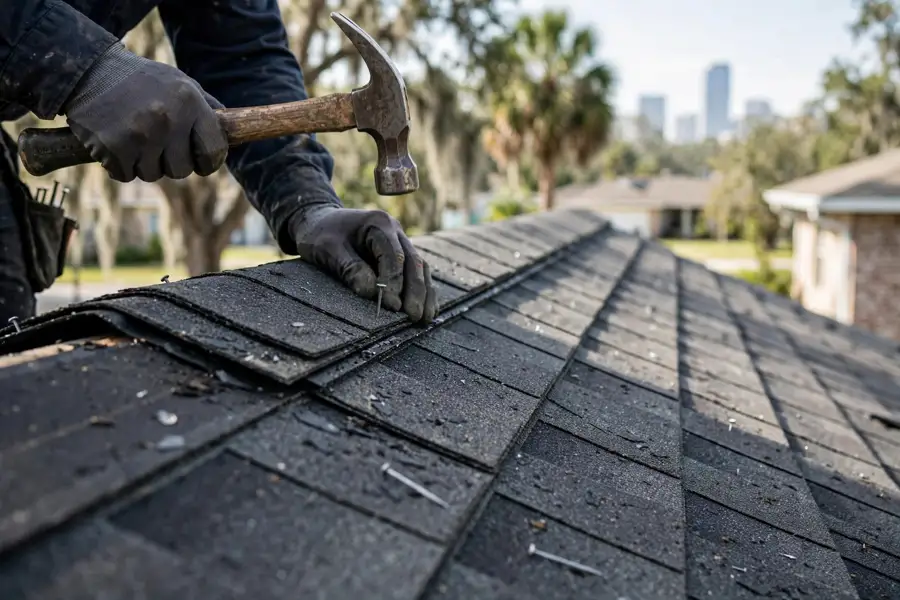 Shingle RoofingArchitectural shingles installed as a system — deck, underlayment, flashing, ridge — for 90- to 130-year-old bungalows with a flat addition ponding water behind the main roof.View details →
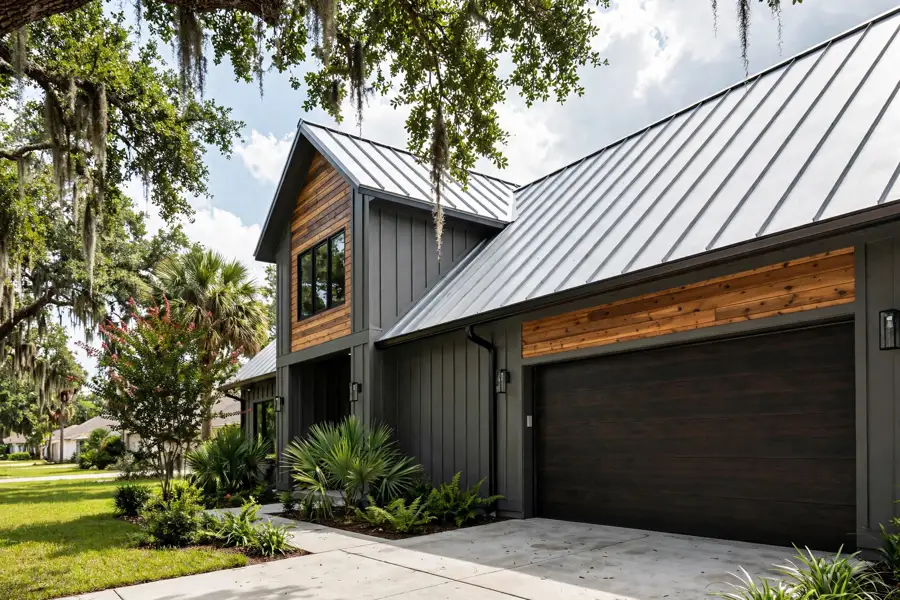 Metal RoofingStanding-seam metal, installed with new flashing throughout — for 90- to 130-year-old bungalows with a flat addition ponding water behind the main roof.View details →
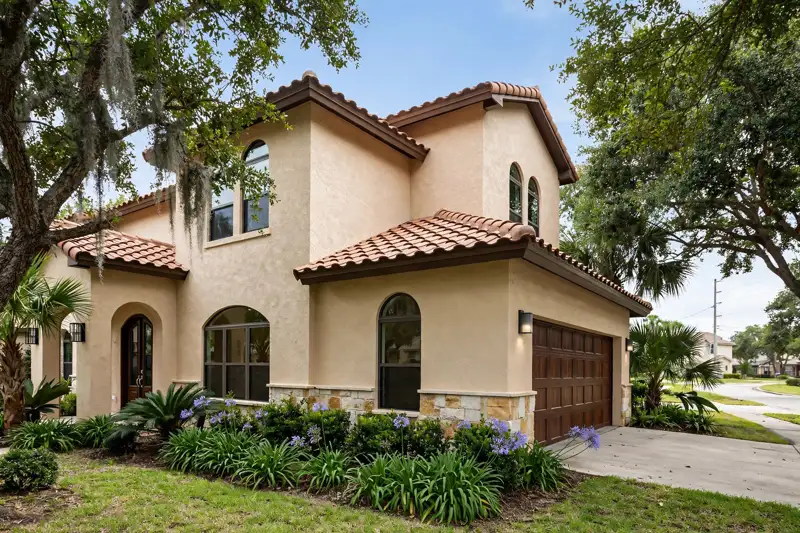 Tile RoofingClay and concrete tile where the underlayment, not the tile, decides the job — for 90- to 130-year-old bungalows with a flat addition ponding water behind the main roof.View details →
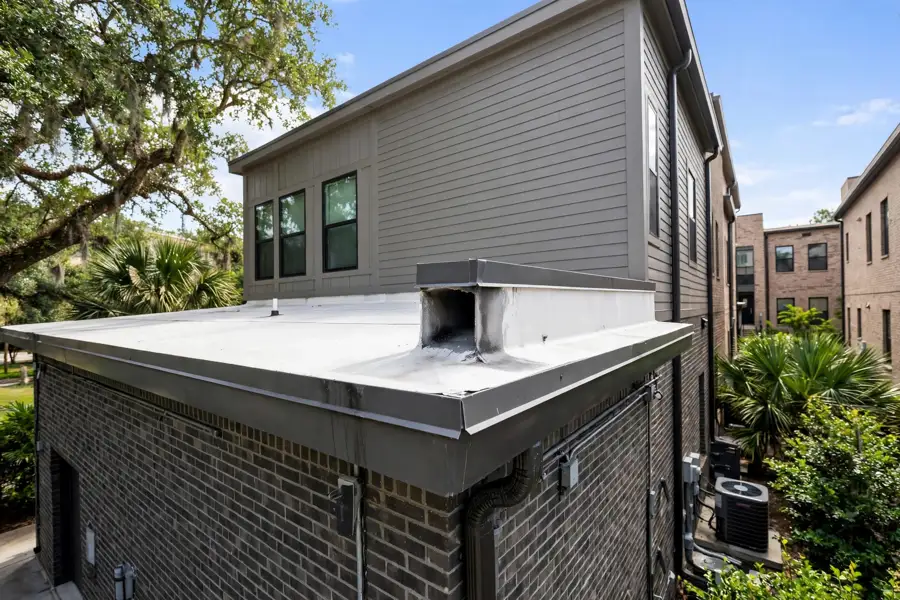 Flat RoofingLow-slope membranes with drainage solved first, not patched later — for 90- to 130-year-old bungalows with a flat addition ponding water behind the main roof.View details →
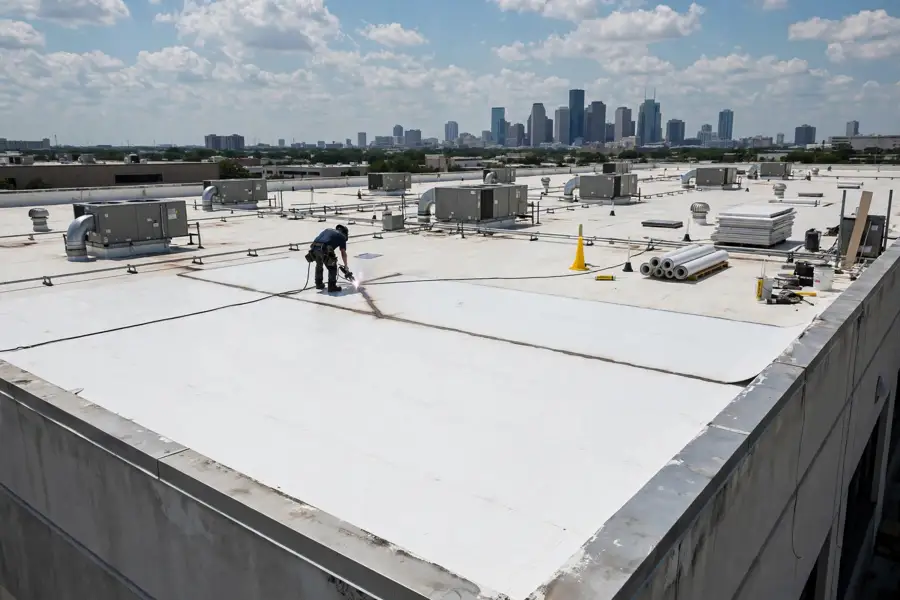 TPO RoofingWhite TPO with heat-welded, probe-checked seams for low-slope roofs — for 90- to 130-year-old bungalows with a flat addition ponding water behind the main roof.View details →
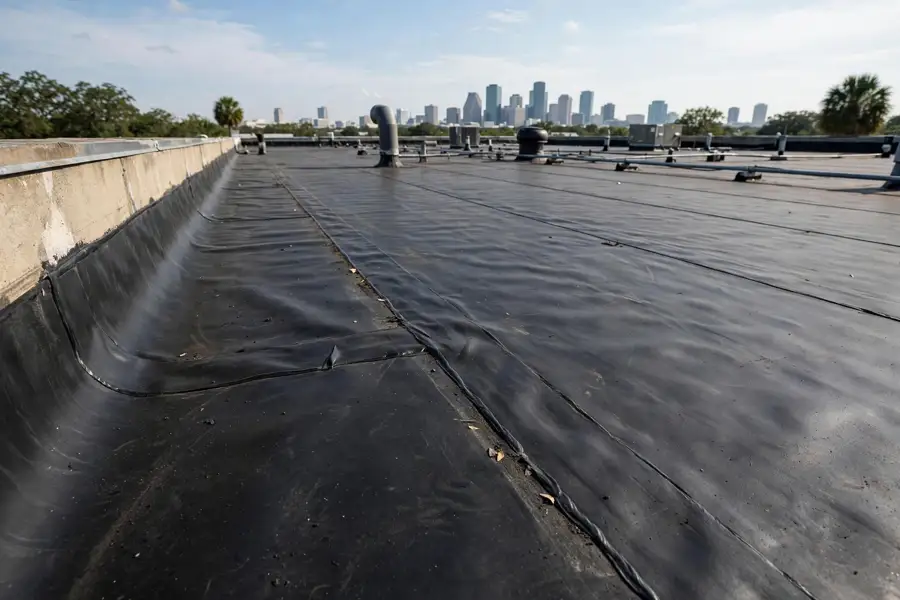 EPDM RoofingBlack rubber membrane with seams cleaned, primed, taped and rolled — for 90- to 130-year-old bungalows with a flat addition ponding water behind the main roof.View details →
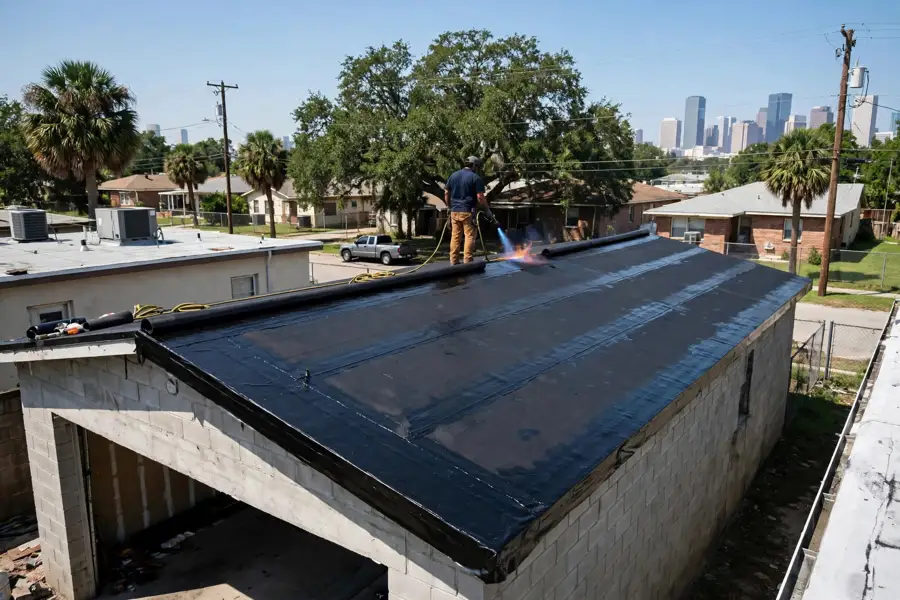 Modified Bitumen RoofingTwo-ply modified bitumen, torched and lapped for small flat sections — for 90- to 130-year-old bungalows with a flat addition ponding water behind the main roof.View details →
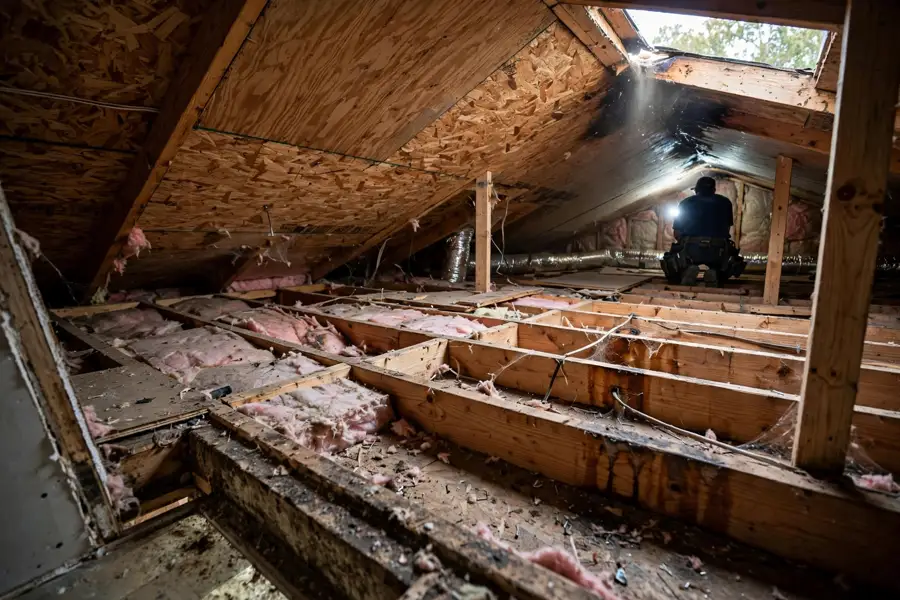 Roof Leak RepairLeaks traced to the entry point, then repaired and water-tested — for 90- to 130-year-old bungalows with a flat addition ponding water behind the main roof.View details →
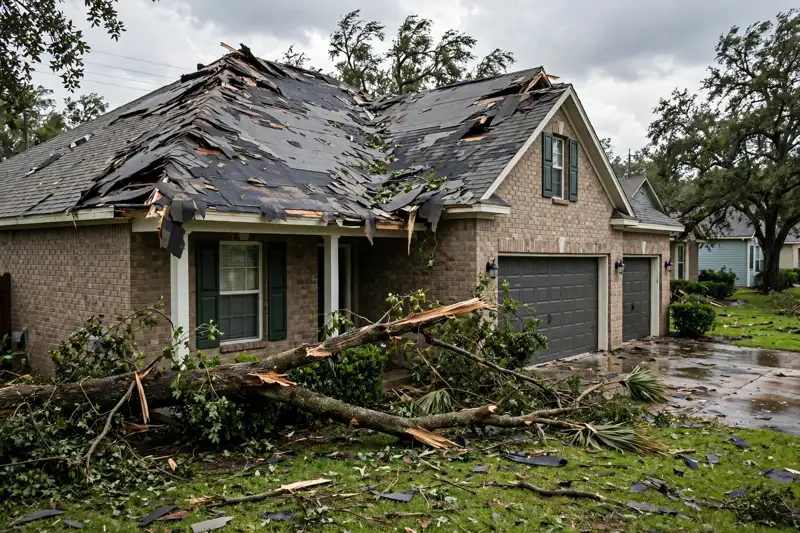 Storm Damage Roof RepairWind and hail damage documented slope by slope, with photos for your file — for 90- to 130-year-old bungalows with a flat addition ponding water behind the main roof.View details →
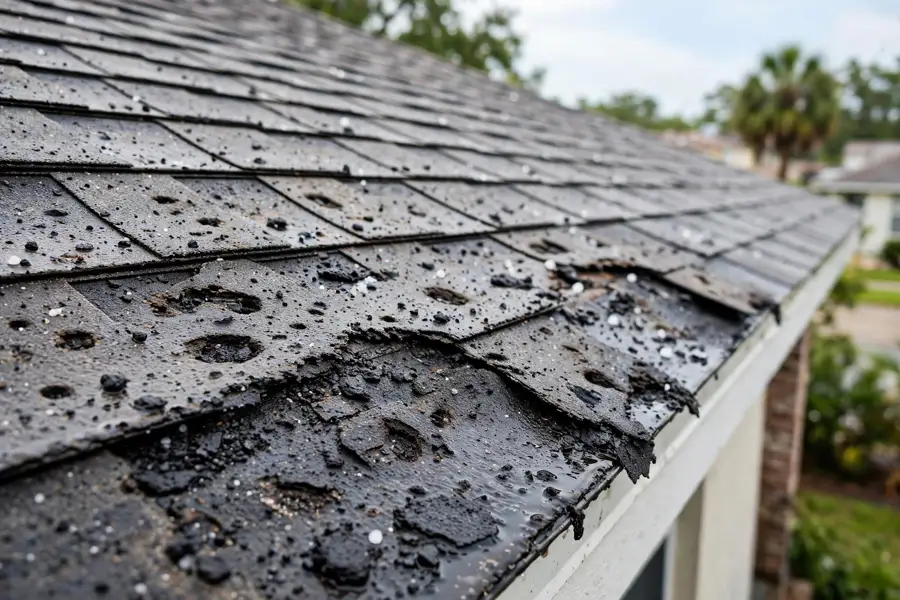 Hail Damage Roof RepairBruising and granule loss checked on the roof, not from the ground — for 90- to 130-year-old bungalows with a flat addition ponding water behind the main roof.View details →
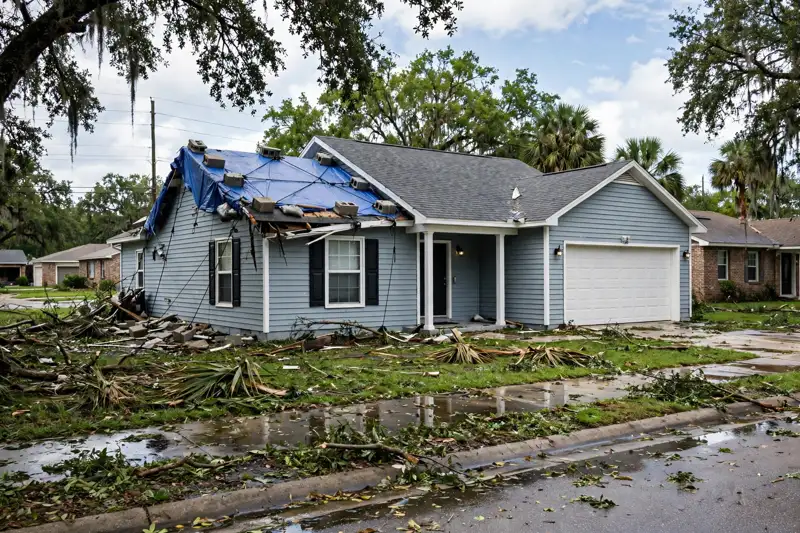 Emergency Roof RepairDry-in first, then a permanent plan once the water is stopped — for 90- to 130-year-old bungalows with a flat addition ponding water behind the main roof.View details →
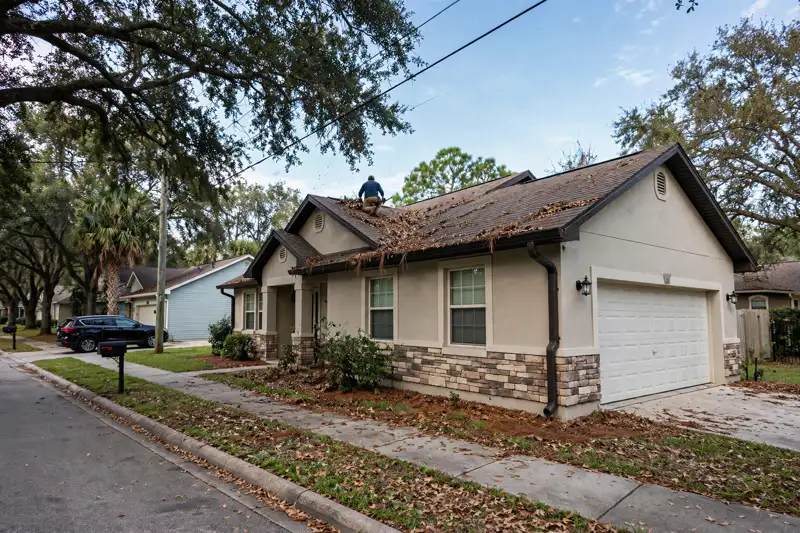 Roof MaintenanceYearly checks of valleys, gutters, boots and flashing, with debris cleared — for 90- to 130-year-old bungalows with a flat addition ponding water behind the main roof.View details →
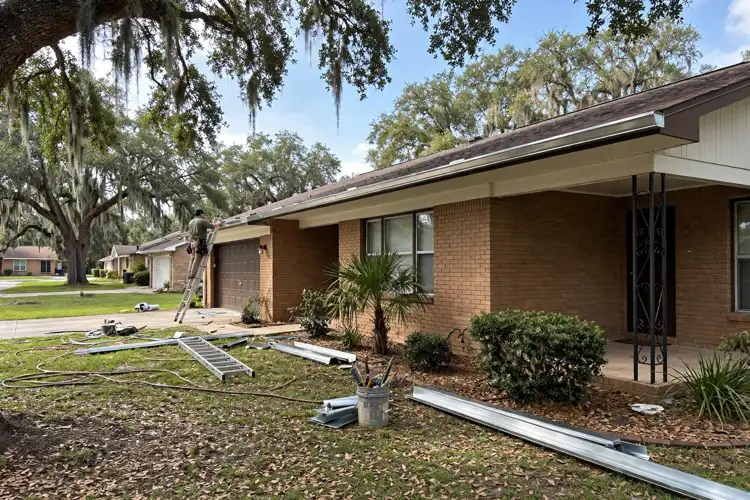 Gutter InstallationSeamless gutters measured to the roof area feeding each run — for 90- to 130-year-old bungalows with a flat addition ponding water behind the main roof.View details →
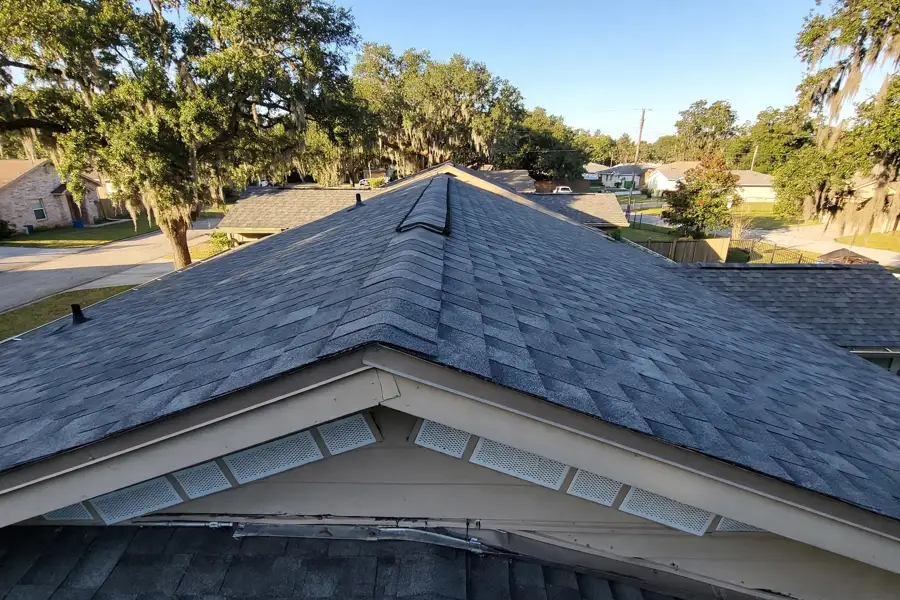 Attic VentilationRidge-to-soffit airflow that lets heat and moisture leave the attic — for 90- to 130-year-old bungalows with a flat addition ponding water behind the main roof.View details →
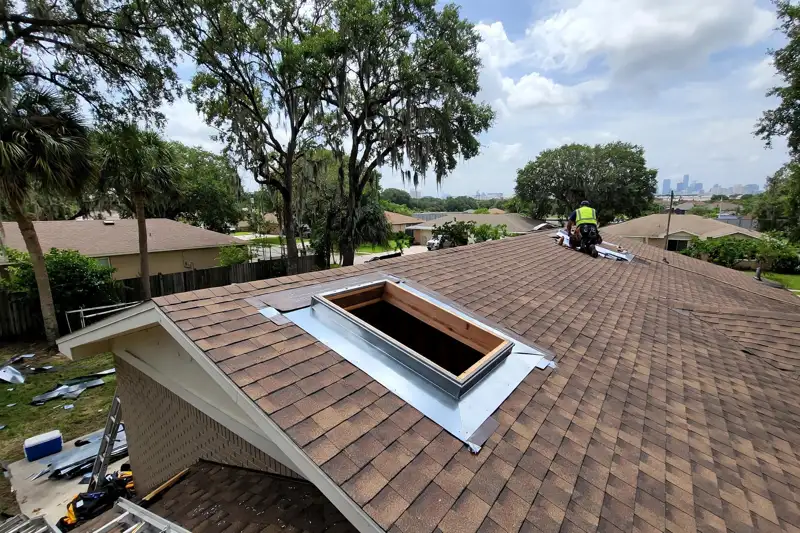 Skylight InstallationSkylights planned with the re-roof, so curb and flashing are built in — for 90- to 130-year-old bungalows with a flat addition ponding water behind the main roof.View details →
Every Heights job follows the same order: approval first, then the flat addition, then the pitched roof. Skipping the first step can mean removing new work at your own cost.
We confirm whether the address sits in a City historic district or under deed restrictions, and what the HAHC Certificate of Appropriateness covers for the material you want. A City permit alone does not satisfy a private deed restriction, and the City can issue a permit even where a restriction prohibits the work.
How we help: We map both layers — City permit and HAHC or deed restriction — before we schedule, so the material choice is approved, not assumed.
The rear addition’s membrane is lifted and the deck probed for soft spots before any new cap sheet is priced. A new membrane over rotted decking is money wasted, and ponding hides the damage from the ground.
How we help: We re-slope with tapered insulation where the addition truly ponds, and fit a ponding-rated two-ply modified bitumen cap sheet.
Architectural shingles on the Craftsman and Tudor pitches, with flashing reworked at the valleys, dormers and chimney, and ventilation balanced so the attic dries between storms.
How we help: We match the profile the district approved and leave the rafter tails, gable details and streetscape intact.
A soft or springy feel underfoot on the flat addition
Ponding water still standing on the flat section a day after rain
Granule loss and curling on the pitched shingles
Stains where the flat addition meets the main roof
Moss or algae on shaded slopes that never fully dry
Heights streets are a grid of bungalows under a heavy canopy. These are the reference points our crews use to find an address and plan a delivery.
The bayou along the southern and eastern edges of the Heights. It is the flood reference for every job south of 11th Street.
Heights East, West and South are City historic districts. Knowing which one an address sits in decides the approval step.
Its own historic district beside the Heights, with the same Certificate of Appropriateness requirement before exterior work.
The line south of which White Oak Bayou overflow is most often felt. We use it to orient crews heading to the southern blocks.
These are our most frequently served ZIP codes in the Heights. Nearby areas may also qualify — call if you do not see yours.
Heights East · Heights West · Heights South · Norhill · ZIP 77008 · ZIP 77009
“Absolutely wonderful service. Had an issue with my roof leaking and they were attentive and listened my concerns. They get on the roof and found and fix the leak then took care of the interior too. They even fixed a poorly done previous repair done by another company. I Would recommend”
Nate DorrGoogle · 3 months ago
Google reviewEvery quote above is a verbatim Google review of Bridgegate Construction LLC. Our Google profile holds 31 reviews, all 5 stars; the ones we have not read are shown only as a total, never as quotes. Read all 31 reviews on our Google profile.
Our team can help if your question is not answered here.
Call (346) 654-5170 →If your home sits in a City historic district — Heights East, West or South, or Norhill — the Houston Archaeological and Historical Commission must issue a Certificate of Appropriateness before exterior work, including a roofing material change. The review typically takes about 30 days. A City roofing permit is a separate approval, and neither one replaces the other.
Many Heights properties have a pitched shingle main roof and a flat or low-slope membrane over a rear addition, enclosed porch or converted carport. The two systems are different ages, fail differently, and the flat section — 15 to 25 years, often less under ponding — usually needs attention first.
As market context only, Angi’s Houston figures put a replacement at an average of $9,752, with most jobs between $6,712 and $13,123. In the Heights, that usually means pricing the flat addition with the pitched bungalow roof — and the historic-district review. Your price depends on roof area — measured as roof surface, not living area — pitch, material and deck condition. We do not quote from a table; every roof is priced after inspection.
A City of Houston Residential Roofing Permit is required for a re-roof or roofing overlay inside the city — $33.56 admin fee, about 10 business days’ processing, valid 6 months; roof covering of 100 sq ft or less in aggregate is exempt. Texas has no state roofing licence; Houston has only a voluntary contractor registration. In the Heights, the permit is separate from the historic-district review — both are needed before work starts.
No. Texas has no state roofing licence — a bill to create one died in committee in May 2025 — and Houston has only a voluntary contractor registration. We never describe ourselves as holding a state roofing licence, and you should be wary of any roofer who claims one.
Which approval applies, and which of your two roofs is failing first? Call Bridgegate Construction LLC at (346) 654-5170 and we will check the district, inspect both roof systems, and give you a written scope for each.
Describe the leak, the damage or the roof's age, and where the house is. Our team will call to confirm the right appointment type and timing.