Seam failure from skipped primer
Seams laid over dirty or unprimed membrane lift first. We strip the failed seam back, clean and prime properly, and re-tape with the right overlap — then check the rest of the field for the same shortcut.
EPDM is the black rubber membrane that has covered flat roofs for decades — flexible, forgiving of movement, and proven on townhome decks, garage roofs and commercial buildings across Houston. Its seams are primed and taped rather than welded, so the quality of the seam preparation decides the life of the roof. If your flat roof is blistering, ponding or leaking at the seams, call (346) 654-5170 and we will inspect the membrane, the deck and the drains.
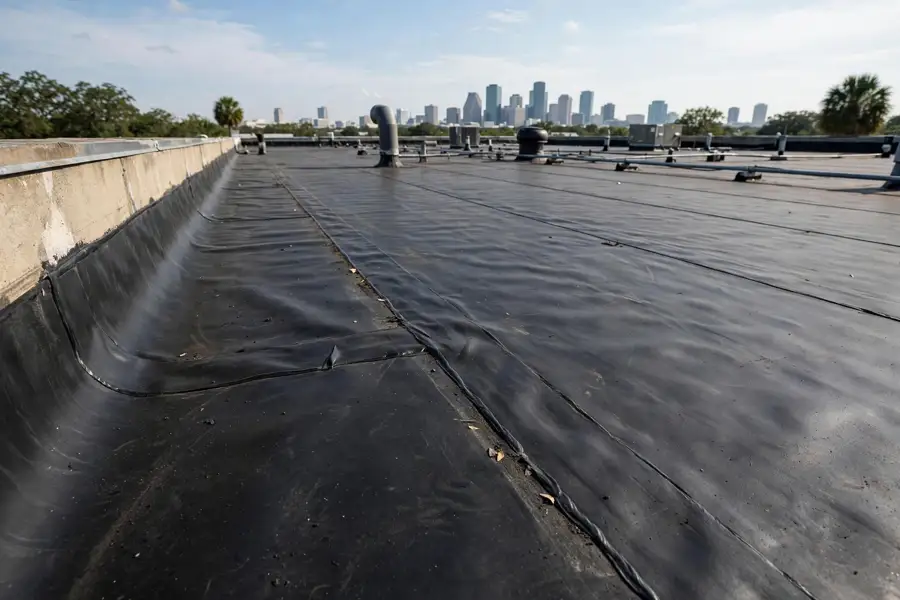
An EPDM roof is a single-ply synthetic rubber membrane, laid over insulation and cover board on a low-slope deck, with seams joined by primer and splice tape and flashing at parapets, curbs and penetrations. We start by checking the deck and the drainage — interior drains, scuppers and any ponding — then the membrane's seams, which are the known weak point: a seam laid over skipped or dirty primer fails first. EPDM suits roofs that move, flex or need a dark membrane, and it handles Houston heat well, though its black surface absorbs more heat than white TPO.
EPDM is a conditional service for us in one sense: it belongs on flat and low-slope roofs, residential and commercial, and we install it where the roof calls for it — townhome decks in Midtown and EaDo, garage and porch roofs, and commercial decks. It does not belong on pitched roofs. Flat membranes in Houston last roughly 15 to 25 years, and EPDM sits in that range when its seams are prepared properly. We publish no manufacturer certifications for EPDM, because none were found for this business — what we publish is the scope, in writing, before work starts.
An EPDM job is decided at the seams. Here is what we cover.
We walk the membrane, check seams, drains and ponding, and scan the deck for trapped moisture before quoting anything.
We strip the failed EPDM rubber membrane and its insulation to the deck and haul it away — on a black rubber roof the seams and laps are where age shows first, so soft decking is found and fixed instead of covered over.
EPDM membrane is laid over new insulation and cover board, with seams primed and taped to specification and flashing at every parapet, curb and penetration.
Seams are cleaned, primed and taped with the right overlap — the step that decides whether an EPDM roof lasts or fails at the seams. We do not skip primer to save time.
Parapet, curb and penetration flashing is detailed by hand, and the membrane is terminated properly at edges and walls.
You get photos of the deck, the seams and the finished flashing, and a written scope of what was done.
We walk the membrane, check seams for lifted splice tape and shrinkage at the edges, mark ponding that is still standing two days after rain, and scan the deck for trapped moisture. You get photos and a written scope before any work is agreed.
We put the system in writing — membrane, insulation, flashing and drainage — so you can see exactly what is included before work starts.
We strip the failed system to the deck, replace damaged sheathing and lay insulation and cover board, tapered where drainage needs it.
EPDM is rolled out, seams are cleaned, primed, taped and rolled flat, and every parapet, curb and penetration is flashed and sealed. Taped seams need time to bond, so we keep foot traffic off the fresh seams until they have set — and where the roof gets regular foot traffic, around hatches and units, we add walkway protection.
We walk the roof with you, check the drains, and show photos of the finished taped seams and flashing. If anything looks off after the job, call us and we will come back and look.
EPDM is a preparation trade: clean, prime, tape, roll. The tools are simple; skipping a step is what fails.
Finds trapped moisture under black rubber without tearing the whole roof up — on EPDM the stain rarely sits over the wettest deck.
Confirms whether decking under a blistered EPDM membrane is wet or dry, so we replace only what is damaged.
Rolls primed and taped seams flat so the splice tape bonds fully across the joint. A seam that is not rolled is a seam that will lift.
Used where EPDM details and flashing need a welded joint, and on mixed-system transitions.
Fasten insulation and cover board with consistent depth across the field.
Keep the crew safe on roof edges and two-storey townhomes. Fall protection is standard on every job.
Keep membrane courses straight and lift rolls and materials onto the roof safely.
The situation: a garage flat roof whose EPDM membrane is lifting at the seams after years of Houston heat, with water staining on the ceiling below.
How we approach it: we scan for trapped moisture, strip the failed membrane, replace wet decking, and install new EPDM with seams cleaned, primed, taped and rolled — then check the drain that let water sit.
The situation: a townhome flat deck that holds water for days after a Gulf downpour, with blistering membrane near the scupper.
How we approach it: we probe the deck, replace damaged sections, and install new EPDM over tapered insulation so water reaches the scupper instead of sitting on the membrane.
The situation: An office park deck in Westchase whose EPDM membrane ponds at the interior drains after every Gulf downpour, with seams lifting where water stands.
How we approach it: we scan for trapped moisture, strip the failed membrane, replace wet decking, and install new EPDM with seams cleaned, primed, taped and rolled — then re-pitch the drains so water actually leaves.
EPDM fails at seams, drains and penetrations. These are the calls we get.
Ask a pro →Seams laid over dirty or unprimed membrane lift first. We strip the failed seam back, clean and prime properly, and re-tape with the right overlap — then check the rest of the field for the same shortcut.
We find why the water is not leaving and fix the drainage, usually with tapered insulation, instead of patching a membrane that will pond again.
Hail pocks EPDM and bruises the insulation underneath. We document the damage and replace the affected sections, advising a cosmetic-only approach where the membrane is still watertight.
Pipe boots and curb flashing are the most common EPDM leak points. We strip the detail back and re-flash it properly instead of coating over it.
“My roof was getting close to the end of its life and had started leaking, plus there was some sagging. Manny was upfront with me from the start and took the time to explain my options so we could figure out what actually made sense for my situation. The replacement was done right, and I never got the feeling anyone was cutting corners. If you need a roofer you can actually trust to do the job carefully, I highly recommend this company.”
Liam YangGoogle review · 3 months ago
✓ Google reviewWe do not write, edit, or invent reviews: every review quoted here is a verbatim Google review of Bridgegate Construction LLC. There are 31 Google reviews in total, all 5 stars. Read all 31 reviews on our Google profile.
As market context only — not a quote, and scope matters: Texas sources put EPDM at roughly $4 to $8 per square foot for residential and low-slope work, against $11 to $16 per square foot for commercial systems — same material, different scope. We quote your roof in writing after inspecting it.
Flat membranes in Houston last roughly 15 to 25 years, and EPDM sits in that range when its seams are prepared properly. Heat, UV and ponding shorten life; clean, primed, taped and rolled seams stretch it. Lifespan is a trade range, not a promise — it depends on the roof, the seams and the drains.
It depends on the roof. TPO is white, reflective and heat-welded, and suits most Houston flat decks. EPDM is black, flexible and suits roofs that move or need a dark membrane. We recommend by roof, not by habit — see our TPO roofing and flat roofing pages for the comparison.
Yes, inside the City of Houston a Residential Roofing Permit is required for a re-roof, with plan review and inspection, a $33.56 administration fee and about 10 business days' processing; roof covering of 100 square feet or less in aggregate is exempt. Commercial re-roofs follow the City's commercial permit process. In unincorporated Harris County there is no residential roofing permit. Texas has no state roofing licence.
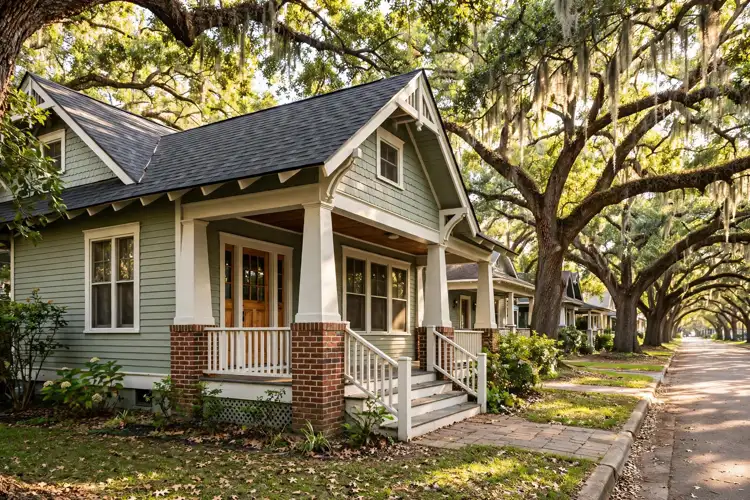 Flat RoofingLow-slope membranes, drains and parapet flashing — the drainage system that decides whether a flat roof stays dry.Explore →TPO RoofingWhite, heat-welded TPO membrane for flat decks and commercial roofs — reflective, and only as good as its seams.Explore →
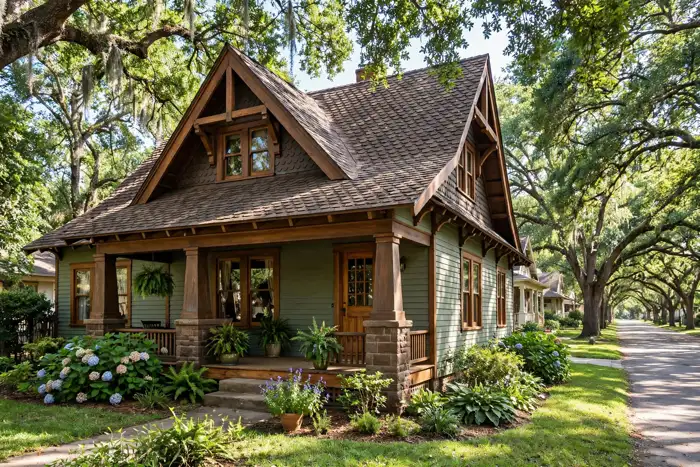 Modified Bitumen RoofingTwo-ply modified bitumen for small flat sections — additions, porches and garages across the inner loop.Explore →
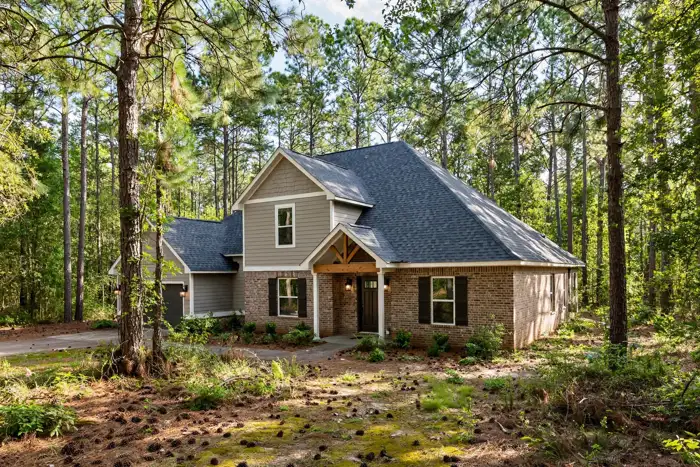 Commercial RoofingFlat and low-slope systems for offices, retail and warehouses, with the drainage and scope a building owner needs.Explore →
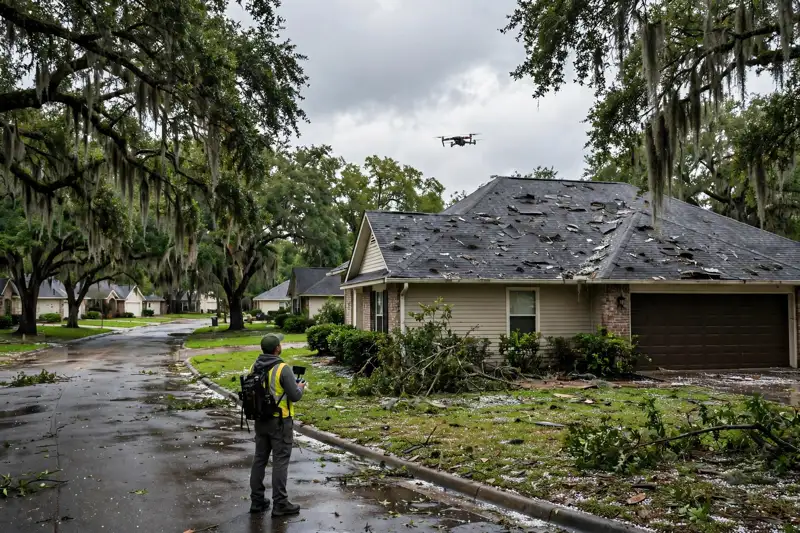 Roof ReplacementA full replacement strips the old roof to the deck and installs a new system — the right call when repairs stop making sense.Explore →
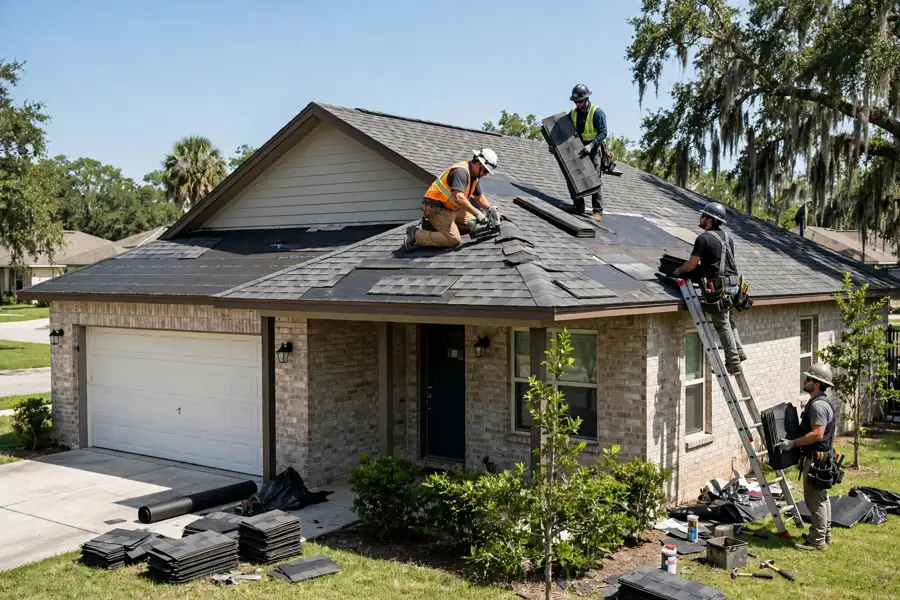 Roof RepairLeaks, lifted shingles and failed flashing, fixed at the cause — not covered over.Explore →Roof InspectionA photo-documented inspection of the deck, flashing and penetrations, with a written scope of what needs work now and what can wait.Explore →
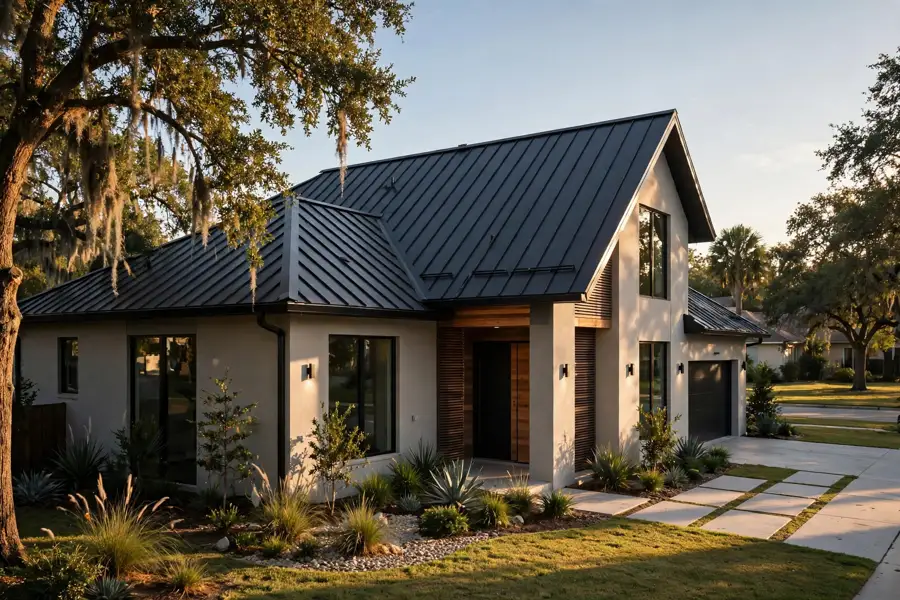 Roof Leak RepairActive leaks and ceiling stains traced to the entry point — water travels, so we find the cause before we quote the fix.Explore →
We will inspect the membrane, the seams and the drains, and give you a written scope. Call (346) 654-5170 or request an inspection online.
Schedule an inspection — (346) 654-5170 →Call (346) 654-5170 or send us a message and we will get back to you during office hours. Tell us what is happening with your roof and we will tell you what it takes to fix it. Office hours: Mon–Wed 8 AM–6:30 PM · Sat 9 AM–6:30 PM · Sun Closed.