Leaking at seams or penetrations
We locate the source with a moisture meter and infrared detector, then repair the seam or re-flash the penetration properly. We water-test the repair before we leave.
A standing seam metal roof is the longest-lived pitched roof we install in Houston: 40 to 70 years against heat, UV and hurricane-season wind, where architectural shingles in this climate typically last 18 to 25 years. Panels run vertically with raised, crimped seams and no exposed fasteners on the field, so wind-driven rain has far fewer places to get in. If your shingle roof is near the end of its life, call (346) 654-5170 and we will walk it, measure it and give you a written scope.
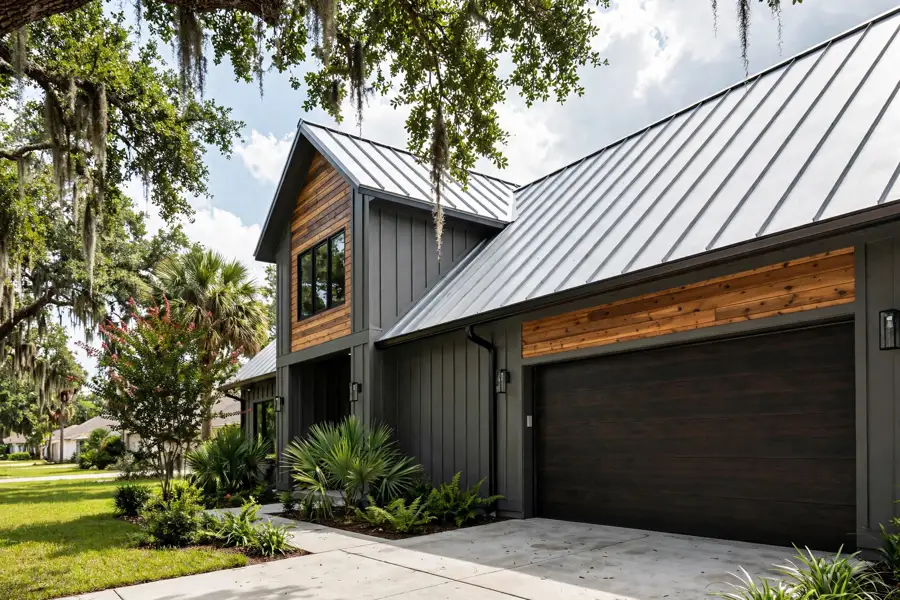
A metal roof in Houston is a system, not a panel count. We start at the deck: tear off the old roofing, inspect every sheet for soft spots and rot, and replace damaged sheathing before anything else goes down. Then comes synthetic underlayment across the field, a self-adhering leak barrier at eaves, valleys and penetrations, new drip edge and flashing, and finally panels cut to length for each run, lifted into place and fastened with concealed clips so the seams can expand and contract in Houston heat without working fasteners loose.
Metal earns its place here for two Houston reasons: it sheds the roughly 51.8 inches of rain the city averages each year, and it reflects intense solar heat instead of absorbing it the way asphalt does — attics here reach 140 to 160 degrees without adequate ventilation. You will see standing seam most on new custom builds in Memorial and River Oaks and on modern infill in Montrose and the Heights, where owners are replacing a shingle roof for the second or third time and want the next roof to be the last one they buy. Texas sources put metal at roughly two to three times the upfront cost of shingles for roughly two to three times the life, so the honest question is how long you plan to stay in the house. Texas has no state roofing licence, so ask any roofer what they actually hold — we will tell you plainly what we do and do not claim.
Every metal roof we install includes the parts that decide whether it lasts decades or leaks in year three. Anything your roof needs beyond this list is quoted in writing before work starts.
We strip the old roofing to the deck and inspect every sheet for soft spots, delamination and water damage. Damaged sheathing is photographed and quoted before we proceed, so there are no surprises mid-job.
Synthetic underlayment goes across the field, with a self-adhering leak barrier at eaves, valleys and around penetrations. This is the layer that keeps wind-driven rain out if a panel is ever damaged.
We replace drip edge, valley flashing and penetration boots rather than reusing old material. Flashing failure causes most metal roof leaks, so this step is never skipped.
Panels are cut to length for your roof's runs, which keeps seams to a minimum. They are lifted with a pitch hoist and fastened with concealed clips to the manufacturer's pattern for wind resistance.
Ridge and hip caps go on with closure strips that seal the gaps. This is where wind-driven rain enters on a poorly detailed metal roof, so we detail it carefully.
We magnet-sweep the yard for fasteners and metal shavings, clear the gutters, and walk the roof with you. You get photos of the finished work and our direct number for follow-up questions.
We walk the roof, check the deck from the attic side where there is access, and measure every plane, valley and penetration. You get photos of anything questionable and a written scope before any work is agreed.
We plan panel runs to keep waste and seams low, choose the profile and colour with you, and place the order. Custom-cut panels take time to arrive, and we give you the production schedule up front.
We remove the old roofing to the deck, replace soft or delaminated sheathing, and lay underlayment, leak barrier, drip edge and flashing before a single panel goes up.
Panels are lifted with a pitch hoist, aligned on a chalk line and fastened with the specified clip pattern. Seams are crimped, ridge and hip caps go on, and every penetration gets proper boots and flashing.
We magnet-sweep the yard, clear the gutters and walk the roof with you, showing photos of the finished details. If anything looks off after the job, call us and we will come back and look.
Purpose-built equipment, used by a crew that installs this system regularly — so the seams, clips and flashing are right the first time.
Lifts long metal panels onto the roof without bending or scratching them. Essential for long panel runs on steep pitches.
Set concealed clips and fasteners with consistent depth and torque. Correct seating matters for wind uplift and for letting panels move with heat.
Keep panel runs straight and seams aligned. A crooked run is visible from the street and can compromise the seam crimp.
Find hidden moisture in the deck and track leak sources without tearing into the roof. We use these on inspections and repairs.
Keep the crew safe on steep pitches and two-storey roofs. Fall protection is standard on every job.
Crimps standing seam panels together for a watertight, wind-resistant joint. Crimp quality directly affects how the roof performs in a storm.
The situation: an older bungalow whose asphalt roof is losing granules, with soft decking near the valleys after two previous replacements. The owner wants a roof they will not have to replace again.
How we approach it: tear off to the deck, replace soft sheathing, lay underlayment and leak barrier, and install standing seam panels with new flashing throughout — then walk the roof together at the end.
The situation: a new two-storey home in Memorial where the owners are weighing metal against architectural shingles and want a roof that matches the life of the house.
How we approach it: we quote both systems side by side, explain the cost and lifespan difference honestly, and if metal is chosen, plan panel runs and flashing details before ordering.
The situation: A West University bungalow whose owner wants metal before the next hail season, with a shingle roof already patched twice around the same penetrations.
How we approach it: tear off to the deck, replace soft sheathing, lay underlayment and leak barrier, and install standing seam panels with new flashing throughout — then walk the roof together at the end.
Metal roofs are durable, not maintenance-free. These are the issues we are called about most often, and what happens if they are left alone.
Ask a pro →We locate the source with a moisture meter and infrared detector, then repair the seam or re-flash the penetration properly. We water-test the repair before we leave.
We replace backed-out fasteners with the correct size and type, reseal the penetration and check the rest of the roof for the same issue. If the pattern is widespread, we will tell you honestly whether repair or replacement makes more sense.
We document hail damage with photos and measurements for your records and your insurer, then replace damaged panels — or advise a cosmetic-only approach if the panels are still watertight. Metal is hail-resistant, never proof against hail.
A metal roof sheds water fast, so undersized or clogged gutters overflow quickly in a Houston downpour. We check downspout capacity, clear blockages and resize the system if it cannot handle the runoff. See our gutter installation page for the full service.
“My roof was getting close to the end of its life and had started leaking, plus there was some sagging. Manny was upfront with me from the start and took the time to explain my options so we could figure out what actually made sense for my situation. The replacement was done right, and I never got the feeling anyone was cutting corners. If you need a roofer you can actually trust to do the job carefully, I highly recommend this company.”
Liam YangGoogle review · 3 months ago
✓ Google review“Amazing experience with Bridgegate Construction!! Professional and completed our roof in a timely manner, 10/10 all from start to finish. Thank you Manny!”
priscilla tovarGoogle review · 4 weeks ago
✓ Google reviewEvery review quoted on this site is a verbatim Google review of Bridgegate Construction LLC. Read all 31 reviews on our Google profile.
There is no single price: it depends on panel system, gauge, finish, roof complexity and decking condition. Texas sources put standing seam at roughly $8 to $22 per square foot of roof surface, a wide range driven by gauge and finish. For a whole-house comparison, Angi's Houston figures put an average roof replacement at $9,752, with most jobs between $6,712 and $13,123 — metal sits above that shingle-heavy average. We quote your roof in writing after measuring it; we do not publish a price as if it were a quote.
Trade ranges put standing seam metal at 40 to 70 years in Houston, against 18 to 25 years for architectural shingles in this climate. The panels usually outlast the finish and the flashing details, so the details — clips, seams, boots — decide real-world life. Annual inspection and clean gutters help it reach the long end of the range.
Yes, inside the City of Houston a Residential Roofing Permit is required for a re-roof, with plan review and inspection, a $33.56 administration fee and about 10 business days' processing; roof covering of 100 square feet or less in aggregate is exempt. In unincorporated Harris County there is no residential roofing permit. We can help with the permit paperwork — Amer Zuri's review on this site mentions exactly that.
Yes, with honest limits. Metal reflects solar heat instead of absorbing it, sheds heavy rain fast, and resists hail better than asphalt — but it is wind-resistant and hail-resistant, never proof against hurricanes or hail. Hurricane season runs 1 June to 30 November, peaking in the second week of September, and even Category 1 Beryl in July 2024 stripped roofs across Houston. Good flashing and edge metal matter as much as the panels.
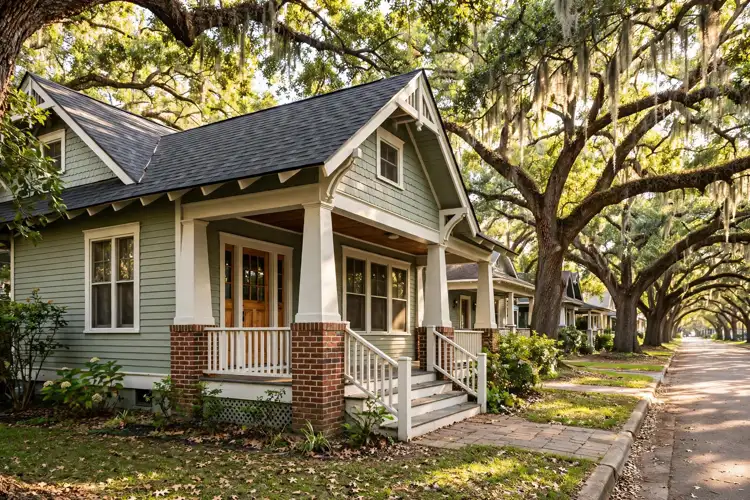 Roof ReplacementA full replacement strips the old roof to the deck and installs a new system — the right call when repairs stop making sense.Explore →Roof RepairLeaks, lifted shingles and failed flashing, fixed at the cause — not covered over.Explore →
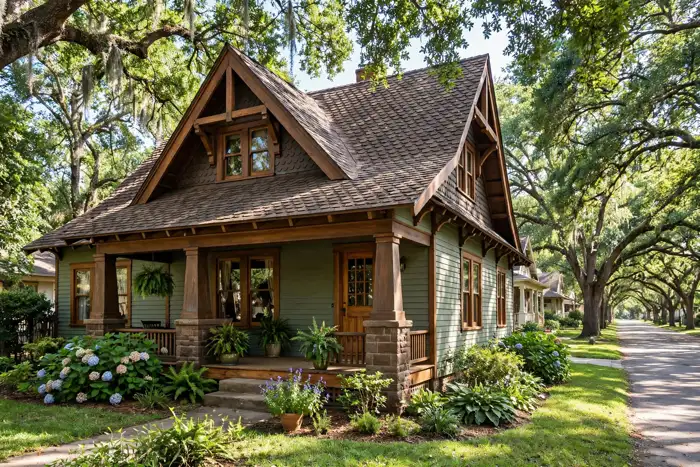 Roof InspectionA photo-documented inspection of the deck, flashing and penetrations, with a written scope of what needs work now and what can wait.Explore →
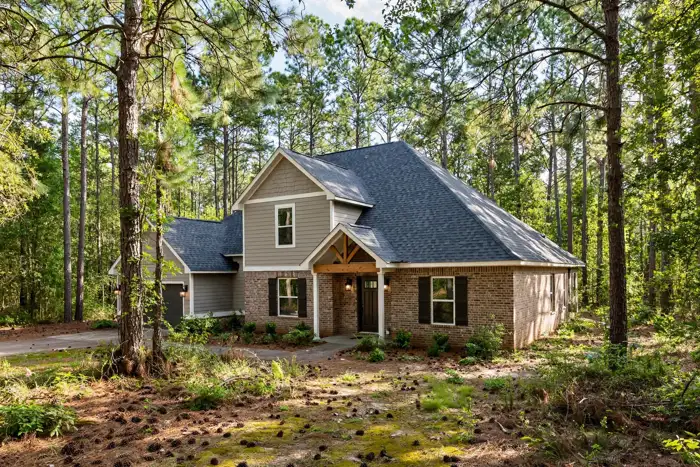 Shingle RoofingArchitectural shingles, the Houston standard — 18 to 25 years in this climate when the system underneath is right.Explore →
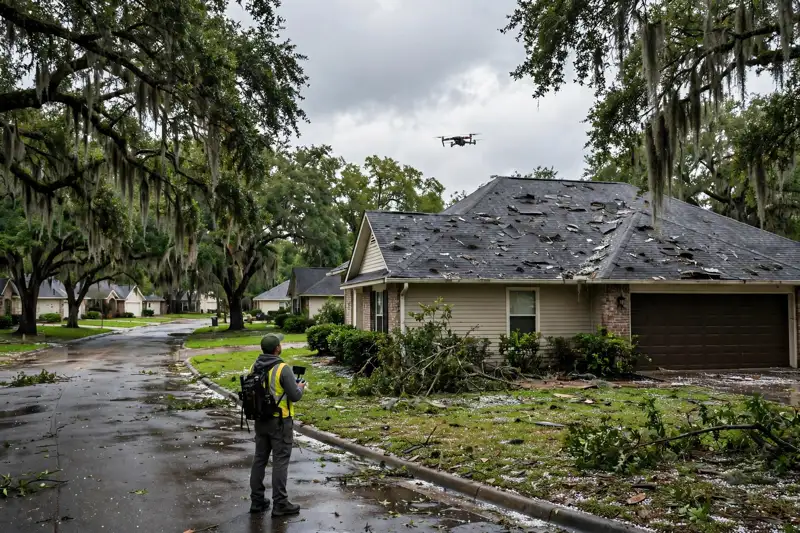 Tile RoofingClay and concrete tile for River Oaks, Memorial and Tanglewood — 50-plus years, with the underlayment doing the real work.Explore →
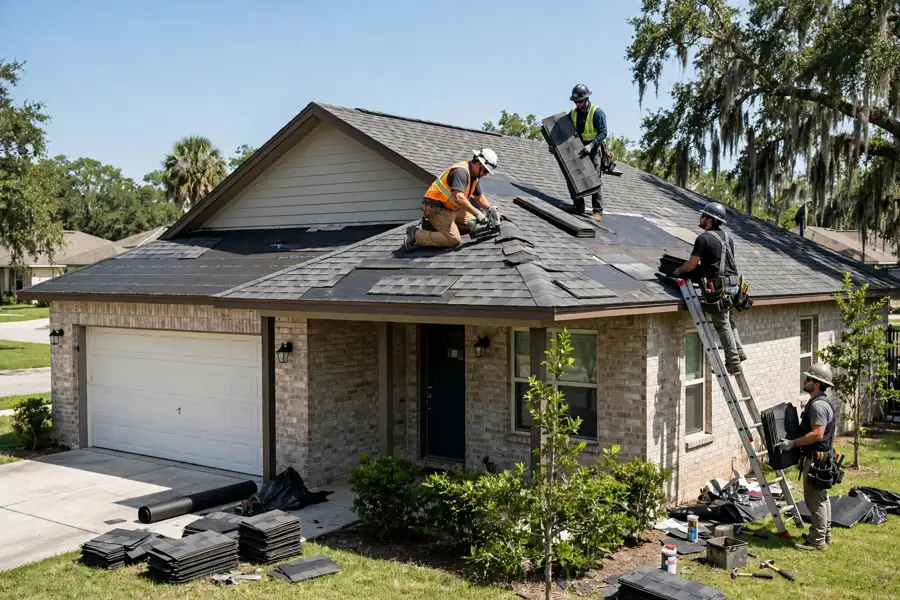 Flat RoofingLow-slope membranes, drains and parapet flashing — the drainage system that decides whether a flat roof stays dry.Explore →Residential RoofingPitched roofs for Houston homes — shingle, metal and tile — quoted side by side so you can compare.Explore →
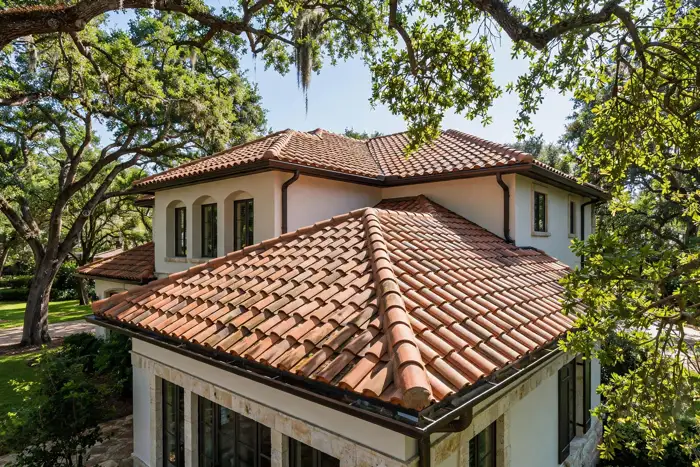 Commercial RoofingFlat and low-slope systems for offices, retail and warehouses, with the drainage and scope a building owner needs.Explore →
We will inspect your roof, measure it and give you a written estimate. No pressure, no sales pitch — a straight scope from a crew that installs metal roofs across Houston. Call (346) 654-5170 or request an inspection online.
Schedule an inspection — (346) 654-5170 →Call (346) 654-5170 or send us a message and we will get back to you during office hours. Tell us what is happening with your roof and we will tell you what it takes to fix it. Office hours: Mon–Wed 8 AM–6:30 PM · Sat 9 AM–6:30 PM · Sun Closed.