Ponding water that never drains off the roof
We find why the water is not leaving — blocked drain, undersized scupper or a true zero-slope area — and fix the drainage with tapered insulation instead of patching the membrane.
TPO is the white, heat-welded single-ply membrane you see on most newer flat roofs in Houston — townhome decks in Midtown and EaDo, and commercial roofs across Downtown and the Galleria. Its reflective surface suits Houston heat, and its welded seams, done properly, make a continuous waterproof sheet. But TPO is only as good as its seams and its drainage: a white membrane over a drain that cannot cope still ponds. Call (346) 654-5170 and we will inspect the membrane, the seams and the drains.
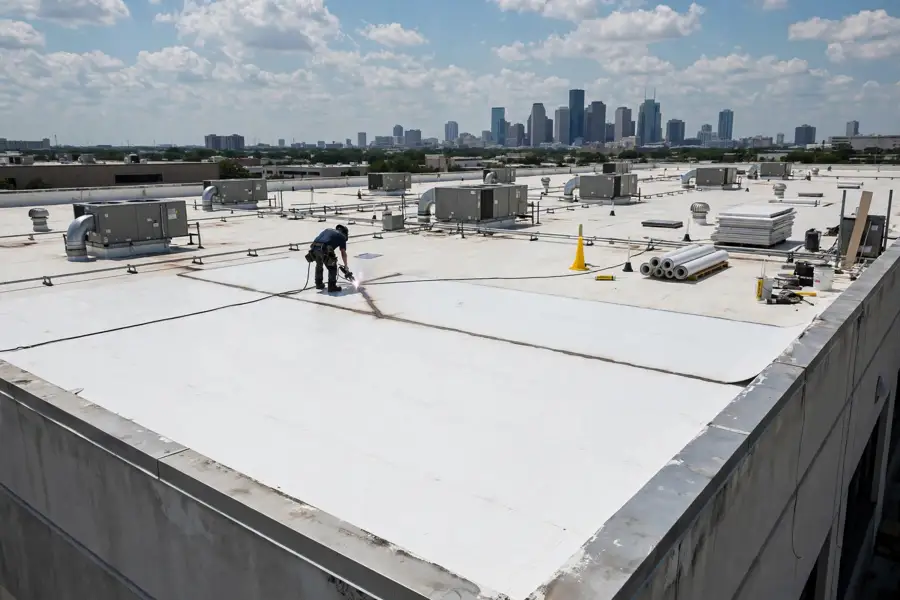
A TPO roof is a single-ply thermoplastic membrane, heat-welded at the seams into one continuous sheet, laid over insulation and cover board on a low-slope deck. We start by checking the deck and the drainage — interior drains, scuppers and any ponding — then the existing membrane's seams and flashing. TPO comes in thicknesses, commonly 45-mil, 60-mil and 80-mil, and the thicker membranes last longer: 60-mil TPO is generally put at 20 to 25 years in Houston sources, within the broader 15-to-25-year flat-roof range.
TPO fits where a roof is low-slope and needs a reflective, welded membrane: townhome flat decks, porch and garage roofs, and commercial buildings. It does not fit pitched residential roofs. Heat-welded seams need a trained crew and the right welder settings — a cold weld looks finished and fails in the first hot summer. What we publish is the scope, in writing, before work starts.
A TPO job is decided at the seams and the drains. Here is what we cover.
We strip the failed white TPO membrane to the deck and haul it away — heat-welded seams are checked weld by weld, since a cracked weld on a flat commercial roof admits water in the next heavy rain without showing inside for months.
Soft, rotted or delaminated decking is photographed and replaced. A new membrane over a rotten deck is money wasted.
New insulation and cover board go down, tapered where the roof needs slope to drain. Tapered insulation is how a flat roof stops ponding.
TPO membrane is heat-welded at the seams and flashed at parapets, curbs and penetrations. Welds are checked as they are made, not after the crew has left.
We test drains and scuppers, clear blockages and flag undersized drainage. A TPO roof that cannot drain will pond no matter how good the welds are.
You get photos of the deck, the insulation and the finished seams, and a written scope of what was done.
We walk the membrane, check heat-welded seams for cracked welds, mark ponding that is still standing two days after rain, and scan the deck for trapped moisture. You get photos and a written scope before any work is agreed.
We strip the failed system to the deck, replace damaged sheathing and lay insulation and cover board, tapered where drainage needs it.
Insulation is laid to the tapered plan and mechanically fastened, with cover board on top to protect the membrane from below.
TPO is rolled out, heat-welded at the seams and flashed at every parapet, curb and penetration. Seams are probe-checked as the work goes, and the welds are left to cool before the roof takes foot traffic.
We walk the roof with you, check the drains, and show photos of the finished welded seams and flashing. If anything looks off after the job, call us and we will come back and look.
TPO is a welding trade. The welder, the probe and the moisture scan decide the result.
Welds TPO seams into a continuous membrane. Temperature and speed decide whether a seam holds for decades or fails in the first hot summer.
Finds trapped moisture under white TPO without tearing the whole roof up — a failed weld can admit water for months before anything shows inside.
Confirms whether decking under a blistered TPO membrane is wet or dry, so we replace only what is damaged.
Fasten insulation and cover board with consistent depth across the field.
Keep membrane courses and tapered insulation layout straight across a large flat deck.
Keep the crew safe on roof edges and two-storey townhomes. Fall protection is standard on every job.
Lifts membrane rolls and materials onto the roof safely, without dragging them across finished work.
The situation: a Midtown townhome whose TPO membrane is lifting at the seams, with ponding near a drain that never quite clears.
How we approach it: we scan for trapped moisture, strip the failed membrane, replace wet decking and insulation, and install new 60-mil TPO over tapered insulation with welded, probe-checked seams.
The situation: a converted warehouse in EaDo with an ageing flat roof and leaks at the parapets after heavy rain.
How we approach it: we inspect the parapet flashing and the membrane field, then quote the full system — deck, insulation, membrane and flashing — rather than coating over a failed roof.
The situation: An office deck in the Energy Corridor whose TPO membrane is lifting at the seams after hail, with ponding near a drain that never quite clears.
How we approach it: we scan for trapped moisture, strip the failed membrane, replace wet decking and insulation, and install new 60-mil TPO over tapered insulation with welded, probe-checked seams.
Most TPO calls are seam, drainage or hail calls. These are the ones we see most.
Ask a pro →We find why the water is not leaving — blocked drain, undersized scupper or a true zero-slope area — and fix the drainage with tapered insulation instead of patching the membrane.
We re-weld failed seams and probe-check the rest of the field. Widespread seam failure usually means replacement, and we will say so.
Hail cracks TPO and bruises the insulation underneath. We document the damage with photos and measurements, then replace the damaged sections — cosmetic-only advice where the membrane is still watertight.
Summer rooftop temperatures over 160 degrees age membranes fast. We inspect for brittleness and seam failure, and quote replacement when the membrane has reached the end of its service life.
“Amazing experience with Bridgegate Construction!! Professional and completed our roof in a timely manner, 10/10 all from start to finish. Thank you Manny!”
priscilla tovarGoogle review · 4 weeks ago
✓ Google reviewEvery review quoted on this site is a verbatim Google review of Bridgegate Construction LLC. Read all 31 reviews on our Google profile.
As market context only — not a quote, and scope matters more than the number: Houston residential and low-slope TPO is generally put at $5 to $8 per square foot including insulation (45-mil $4 to $6, 60-mil $5 to $8, 80-mil $7 to $10), while a commercial tear-off with a new system runs $14 to $20 per square foot all-in. Same material, different scope — which is why we quote your roof in writing after inspecting it.
Trade ranges put TPO at 15 to 25 years, with 60-mil TPO generally at 20 to 25 years. Heat, UV and ponding shorten life; intact welded seams and working drains stretch it. Lifespan is a trade range, not a promise — it depends on the roof, the seams and the drains.
TPO is a white, heat-welded thermoplastic membrane; EPDM is a black rubber membrane with primed and taped seams. TPO reflects heat and suits most Houston flat decks; EPDM is more flexible and suits roofs that move or need a dark membrane. We recommend by roof, not by habit — see our EPDM roofing and flat roofing pages for the comparison.
Yes, inside the City of Houston a Residential Roofing Permit is required for a re-roof, with plan review and inspection, a $33.56 administration fee and about 10 business days' processing; roof covering of 100 square feet or less in aggregate is exempt. Commercial re-roofs follow the City's commercial permit process. In unincorporated Harris County there is no residential roofing permit. Texas has no state roofing licence.
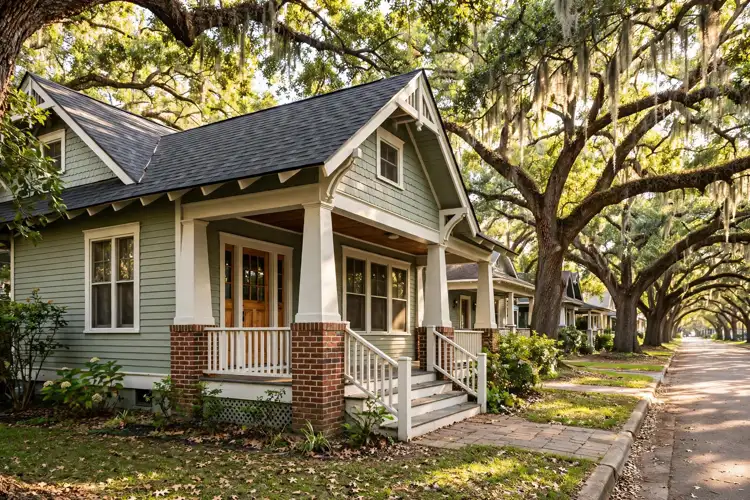 Flat RoofingLow-slope membranes, drains and parapet flashing — the drainage system that decides whether a flat roof stays dry.Explore →EPDM RoofingFlexible EPDM rubber membrane for flat and low-slope roofs, with primed and taped seams done properly.Explore →
 Modified Bitumen RoofingTwo-ply modified bitumen for small flat sections — additions, porches and garages across the inner loop.Explore →
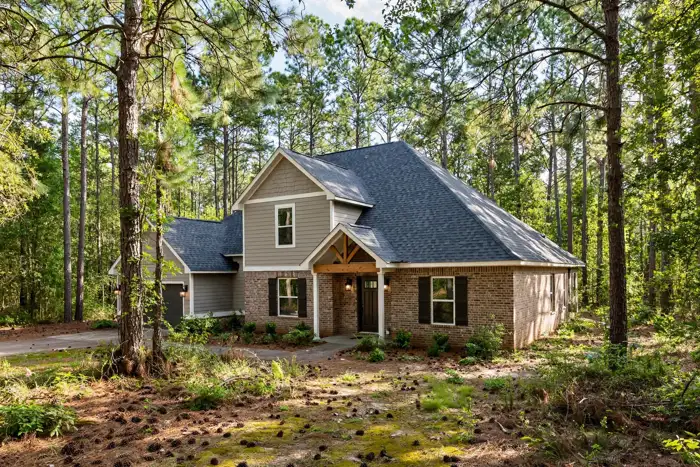 Commercial RoofingFlat and low-slope systems for offices, retail and warehouses, with the drainage and scope a building owner needs.Explore →
 Roof ReplacementA full replacement strips the old roof to the deck and installs a new system — the right call when repairs stop making sense.Explore →
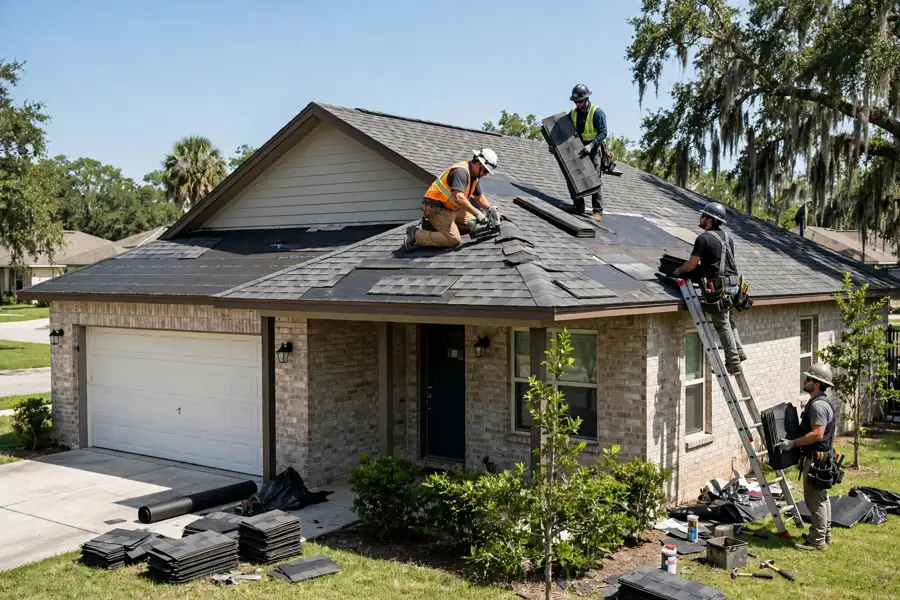 Roof RepairLeaks, lifted shingles and failed flashing, fixed at the cause — not covered over.Explore →Roof InspectionA photo-documented inspection of the deck, flashing and penetrations, with a written scope of what needs work now and what can wait.Explore →
 Roof Leak RepairActive leaks and ceiling stains traced to the entry point — water travels, so we find the cause before we quote the fix.Explore →
We will inspect the membrane, the seams and the drains, and give you a written scope with the thickness and the drainage fix spelled out. Call (346) 654-5170 or request an inspection online.
Schedule an inspection — (346) 654-5170 →Call (346) 654-5170 or send us a message and we will get back to you during office hours. Tell us what is happening with your roof and we will tell you what it takes to fix it. Office hours: Mon–Wed 8 AM–6:30 PM · Sat 9 AM–6:30 PM · Sun Closed.