Water pouring through a ceiling
Tarp the roof, bucket the inside, and stay clear of sagging drywall and wet wiring. Then call us during office hours.
An open roof after a storm cannot wait for a convenient appointment. We triage storm damage, tarp open sections to keep water out, and document what we find for your insurer. Call (346) 654-5170 during office hours — Mon–Wed 8 AM–6:30 PM, Sat 9 AM–6:30 PM, Sun closed. After a storm, also see storm damage repair, hail damage repair and roof inspection.
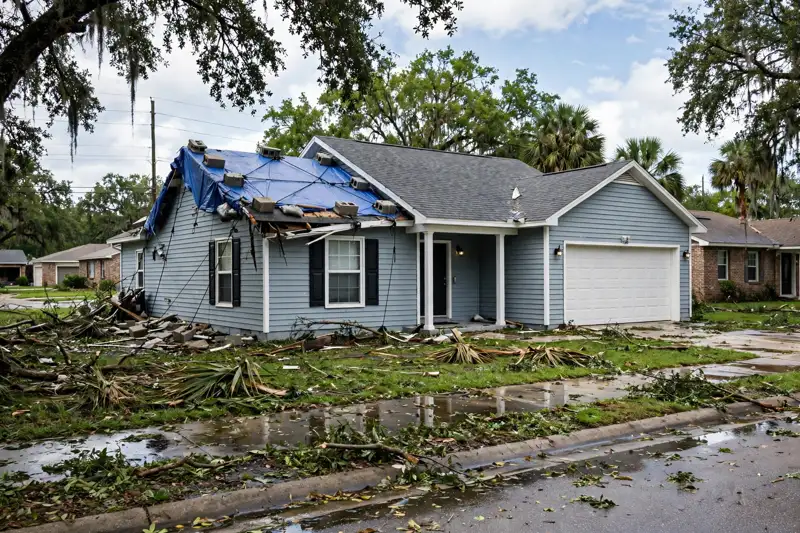
Emergency roof repair means making an open roof weathertight fast: tarping torn sections, securing lifted shingles, and stopping water from reaching the interior while a permanent repair is scoped. A tarp is a dry-in, not a repair — it keeps further damage out until the roof can be properly fixed. We are not a 24-hour service: we respond promptly during office hours, and we do not promise arrival times we cannot keep.
What counts as an emergency: a tree through the roof, a torn-off section, water pouring through a ceiling, or a ridge left open by wind. What does not need an emergency call: an old stain, a few missing shingles with no water coming in, or a roof that is simply old — those are roof repair or inspection jobs. After the immediate danger is handled, the next step is a full inspection and, where the damage is storm-related, documentation for your insurer.
The first job is to stop the water. The second is to record what happened. The repair comes third.
A tarp over torn or open sections, secured so it holds through the next rain, to stop further water damage while the permanent repair is scoped.
We sort what is urgent from what can wait: open roof first, then active leaks, then cosmetic damage — so nothing critical is missed in the rush.
We check for sagging ceilings, wet wiring and unstable decking before anyone goes on the roof, and we will tell you if a section is unsafe to enter.
Photos and measurements of every damaged slope, taken while the damage is fresh — the record your insurer will ask for.
Advice on buckets, moving valuables and containing water inside, so the inside of the house does not suffer while the roof waits.
Once the roof is dry, we scope the real repair or replacement in writing — with the permit where one is needed — instead of leaving a tarp as the answer.
Tell us what happened and whether water is coming in now. We will ask about the roof, the storm, and whether the inside is safe — and give you a realistic time to reach you during office hours.
Buckets under active drips, valuables moved, and stay clear of sagging ceilings and wet wiring. Photograph the damage from the ground before anything is moved.
We secure a tarp over open sections and stabilise lifted shingles, so the next rain stays outside while the permanent repair is planned.
Every damaged slope is photographed and measured, with the storm date noted — the record your insurer needs for a claim.
Once the roof is weathertight, we inspect the full roof and put the permanent repair or replacement in writing, including the permit where required.
Tarping and triage gear, used fast — the roof has to be dry before anything else matters.
Heavy tarps secured with battens so they hold through the next rain, not just the next hour.
Securing lifted shingles and removing torn material so the tarp sits flat and seals.
Checks how far water has already spread into decking and insulation, so the permanent scope is honest.
Every damaged slope photographed and measured while the damage is fresh — the record your insurer needs.
Straight course lines and a stable ladder footing on Houston’s varied roof pitches.
Fall protection for every crew member on every roof, tied off to a proper anchor.
Before: a limb opened the roof in a storm, with water coming through a bedroom ceiling.
After: the opening tarped to keep water out, the damage documented, and the permanent repair scoped in writing.
Before: ridge caps stripped by wind, the ridge open and rain getting into the attic.
After: the ridge dried in the same visit, the wind damage photographed, and a new ridge system scoped.
Before: a section of shingles torn off, the underlayment exposed and the next storm on its way.
After: the section tarped and secured, the surrounding roof checked, and the repair scheduled once the roof was weathertight.
Most Houston roof failures start small and hide. After a storm, these are the ones that cannot wait.
Call (346) 654-5170Tarp the roof, bucket the inside, and stay clear of sagging drywall and wet wiring. Then call us during office hours.
A tarp is a dry-in, not a fix. We scope the permanent repair once the roof is weathertight, instead of leaving the tarp up.
Insurers need the damage as it was. We photograph and measure every slope while the damage is fresh.
An old stain with no active water is an inspection job, not an emergency call — and we will tell you that honestly.
“Absolutely wonderful service. Had an issue with my roof leaking and they were attentive and listened my concerns. They get on the roof and found and fix the leak then took care of the interior too. They even fixed a poorly done previous repair done by another company. I Would recommend”
Nate DorrGoogle review · 3 months ago
✓ Google reviewEvery quote above is a verbatim Google review of Bridgegate Construction LLC. Our Google profile holds 31 reviews, all 5 stars; the ones we have not read are shown only as a total, never as quotes. Read all 31 reviews on our Google profile.
No — we are not a 24-hour service, and we do not claim to be. Our hours are Monday–Wednesday 8 AM–6:30 PM, Saturday 9 AM–6:30 PM, and Sunday closed; Thursday and Friday hours are not listed on our Google profile, so call (346) 654-5170 to check. During office hours we respond promptly to emergency calls. If water is coming in now, make the inside safe first — buckets, move valuables, stay clear of sagging ceilings and wet wiring.
Stay off the roof and stay clear of sagging ceilings and wet wiring. Photograph the damage from the ground, put buckets under active drips, move valuables, and call us during office hours. Do not climb onto a wet or damaged roof — storm damage is assessed from the roof surface by a roofer, not from a ladder in the rain.
No. A tarp is a dry-in: it keeps further water out while the permanent repair is scoped. It is not a fix, and it should not be left as one. Once the roof is weathertight we inspect the full roof and put the permanent repair or replacement in writing.
Yes — we photograph and measure every damaged slope while the damage is fresh, and note the storm date. That record is what your insurer will ask for. We document damage and provide a scope; we are not a public adjuster, we do not negotiate claims, and we cannot guarantee a claim will be approved.
 Storm Damage Roof RepairWind, hurricane and tree damage assessed, documented and repaired after the storm.Explore →Hail Damage Roof RepairHail damage assessed from the roof surface — granule loss, bruising and soft-metal damage.Explore →
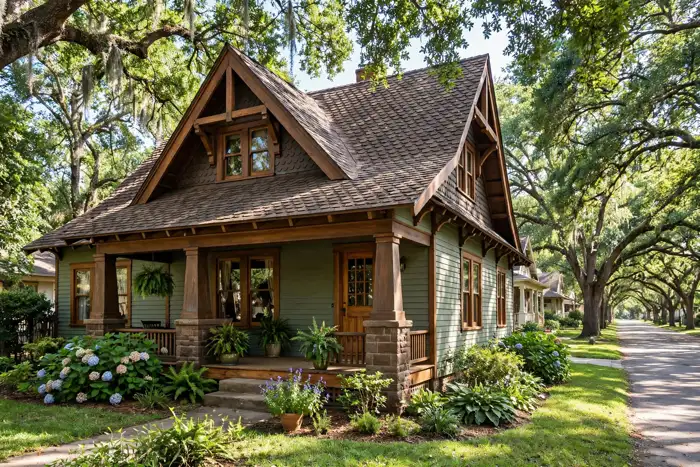 Roof InspectionEvery slope photographed, the attic checked where there is access, and a written assessment with photos and video.Explore →
 Roof Leak RepairLeaks traced to their source and fixed properly, with the interior damage taken care of too.Explore →
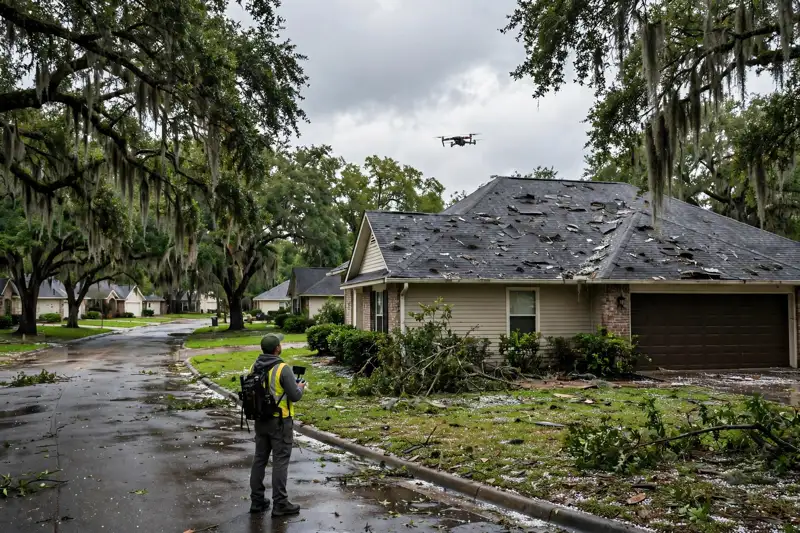 Roof RepairShingle, flashing, vent-boot, valley and ridge-cap repairs, plus fascia and soffit at the roof edge.Explore →
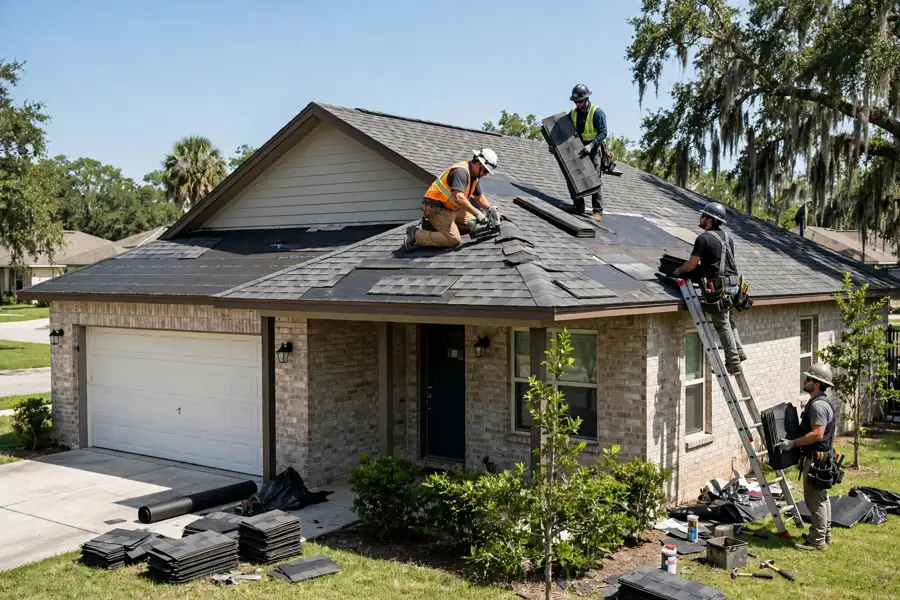 Roof ReplacementFull tear-off to the deck and a complete new system — shingle, metal, tile or flat — with the permit handled.Explore →Roof MaintenanceTune-ups, gutter cleaning and soft-wash roof cleaning that catch small problems early.Explore →
 Residential RoofingEverything we do on Houston homes, from inspection to final walk.Explore →
Call (346) 654-5170 — Monday–Wednesday 8 AM–6:30 PM, Saturday 9 AM–6:30 PM. We will triage the damage, dry in what is open, and scope the permanent repair in writing.
Call (346) 654-5170Call (346) 654-5170 or send us a message and we will get back to you during office hours. Tell us what happened and whether water is coming in now.