Why is my roof sagging and what should I do
A sagging roof is a deck or framing problem, not a shingle problem. Here is what causes it in Houston, what an inspection should find, and why covering it wastes money.
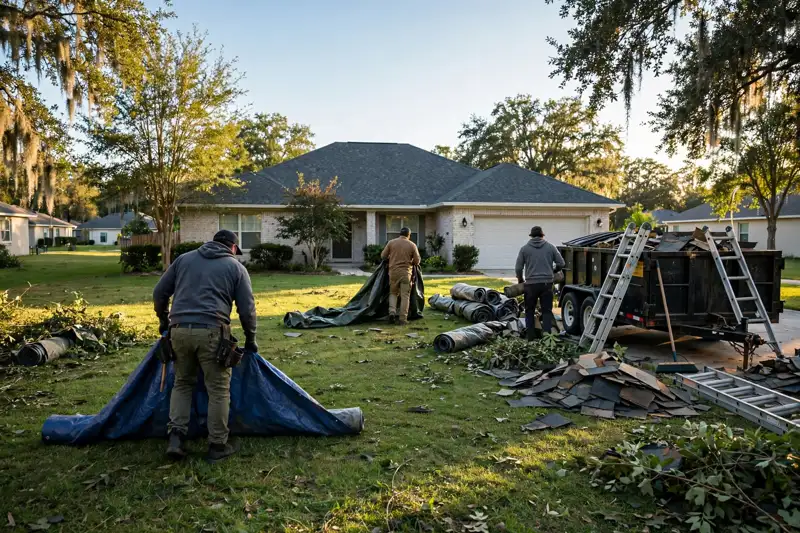
A sagging roof is a structural warning, not a cosmetic issue. A sag means the deck or the framing underneath has failed — rotted decking, a failed rafter or joist, or a deck that was never adequate for the load on it. It is not a shingle problem, and no shingle, coating or cap sheet fixes it. The most expensive mistake in this post is the one people make most: covering a sag with a new roof surface and discovering, a year later, that the deck underneath has rotted through. This post explains the Houston causes, the inspection, and the permit line.
The Houston causes
Three Houston patterns produce sags. First, hidden deck rot under heavy systems: in River Oaks, board-sheathed decks under tile and slate were sometimes re-roofed without full tear-offs, hiding deck rot underneath — and tile outlives its underlayment by decades, so the rot can be older than the roof above it. Second, flat-addition decks rotting invisibly under ponding: in the Heights, flat and low-slope membranes on 1920s bungalow rear additions pond, delaminate and rot their decks without any visible sign inside. Third, new roofing over rotted decking: in Midtown, a new cap sheet over rotted OSB is money wasted — the fix is a full tear-off to bare deck, replacement of compromised plywood or OSB, and a two-ply modified bitumen or 60-mil TPO system with tapered insulation. In every case the sag is the symptom; the deck is the disease.
What an inspection should find
A roof inspection for a sag probes the deck — walking it, sounding it, and lifting sections where needed — and checks the framing where it is accessible. The report should say which is failing: decking, rafters or joists, or both. That distinction matters for the permit: the City’s re-roof worksheet covers the deck and covering, but not rafters or joists, and structural changes require plans and a different permit category. Do not let a contractor quote a sag as a re-roof. It is a structural scope, and it needs to be scoped that way.
What to do — and what not to do
Call for an inspection promptly, keep people and stored items out from under the sag, and do not load the roof — no walking on it, no new equipment on it. Do not cover it with a new cap sheet or a coating: that hides the failure and adds load to a deck that is already failing. If the sag is sudden, growing, or accompanied by cracking sounds, treat it as urgent and call the same day. For the neighbourhood versions of this problem, see our Heights, Midtown and River Oaks pages, and for the job itself, roof repair and roof replacement.
Get help with a sagging roof
Roof sagging? A sagging roof is a structural question, not a shingle question. Call (346) 654-5170 — we will look at the deck and tell you what we find before recommending anything. We will probe the deck and tell you what we find before anything is covered up.